

Dentist Kiel
Dentist in Kiel: Why we focus on tooth preservation instead of quick replacement
"We'd rather pull that one" a phrase we rarely say
Patients sometimes come to us with an X-ray from another practice and the comment: "Your dentist said the tooth has to come out." Sometimes that's true. Sometimes we look at the same tooth and see a realistic chance of saving it.
We are not a second opinion on demand. But we take the time to really look before we grab a tool.
Why isn't it like this everywhere? Because root canal treatment on a difficult tooth is complex. Because placing an implant is technically more straightforward. Because time in a practice is always scarce. These aren't bad intentions, they are realities. We decided to do things differently anyway.

How we work specifically
Our focus is on endodontics, the treatment of the inside of the tooth. When a nerve is inflamed or dead, when pain cannot be explained, when others have already given up: that is our domain.
Root canal treatment is today a precise, controllable procedure thanks to magnifying loupes or microscopes, driven instruments, and digital apex locators.
In addition to endodontics, we work with direct composite restorations when there is enough tooth structure, and with ceramic inlays when a large filling would put too much long-term pressure on the remaining tooth. What we avoid: sacrificing healthy tooth structure to place a crown that is not yet needed.
And at the beginning of everything is prevention. Not as a mandatory program, but because it allows us to see what's coming before it becomes a problem.
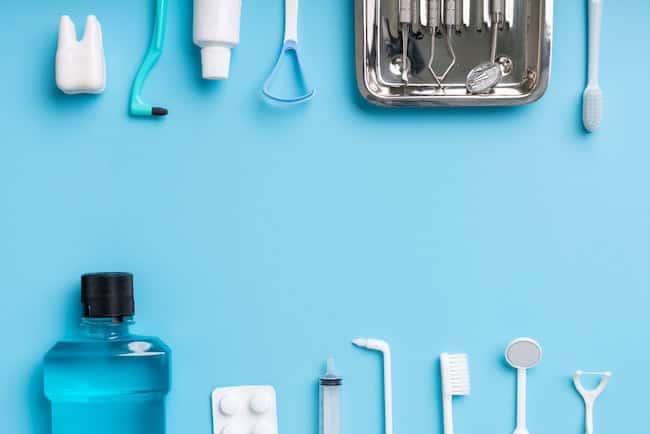
Aesthetic fillings: when the tooth is preserved and looks good
Tooth preservation doesn't just mean saving a tooth. It's also about restoring it so it looks like nothing ever happened.
Amalgam is no longer an issue in our practice. We work exclusively with tooth-colored materials because they match the tooth better and because they allow us to remove less healthy tooth structure. Amalgam requires wide, undercut cavities for the filling to hold. Composite bonds directly to the tooth structure, allowing the defect to be prepared smaller.
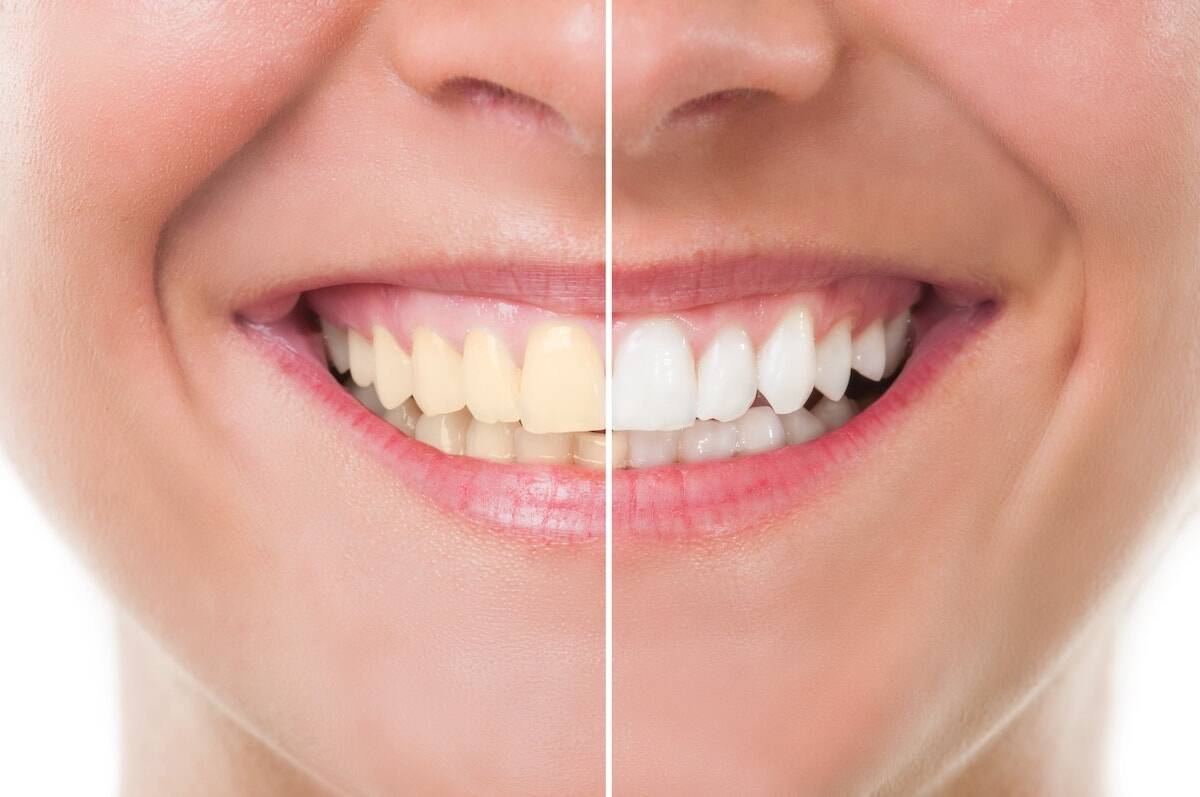
Direct Composite Fillings are the most common solution for cavities or small chips. We layer the material thinly, harden it with light, and match the color and shape to the adjacent tooth. In a single session, without a lab, without impressions. In the end, the difference is barely visible from the outside for most patients.
Ceramic inlays and onlays come into play when the defect is larger and a direct filling would reach its limits in the long term. An inlay is made in a laboratory and fits more precisely than a direct filling, which must be placed in the tooth under moisture and pressure. Ceramic is hard, abrasion-resistant, and looks the same after years as it did on the first day. The disadvantage: two appointments, slightly higher costs. Those who have it once rarely ask for an alternative.
Composite veneers are a method we use for discolorations, minor shape changes, or old dental work on front teeth. Thin layers of composite, applied directly to the tooth, minimally abrade the surface. For patients who are bothered by something about their smile, without actual damage being present, this is often the gentlest approach. No anesthesia needed, no waiting weeks for a temporary.
What all three approaches have in common: We only remove what absolutely needs to be removed. The healthy part of the tooth remains.
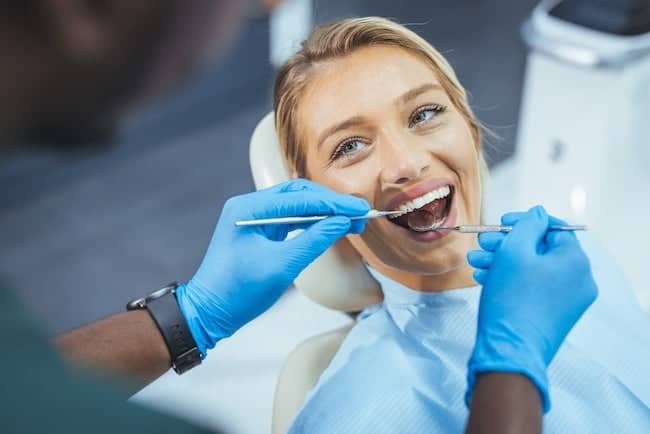
When a tooth really can't be saved
It would be dishonest to say we could save every tooth. A tooth with a longitudinal crack through the root cannot be saved. If the jawbone has decayed so much due to advanced periodontitis that no more anchoring is possible, extraction is the right decision.
In such cases, we say it directly. We explain it, show it on the X-ray, and then discuss together what makes sense next. Usually, this is an implant, and our specialized specialist dental colleagues place it.
What we don't do: label a tooth as hopeless without having taken a close look.
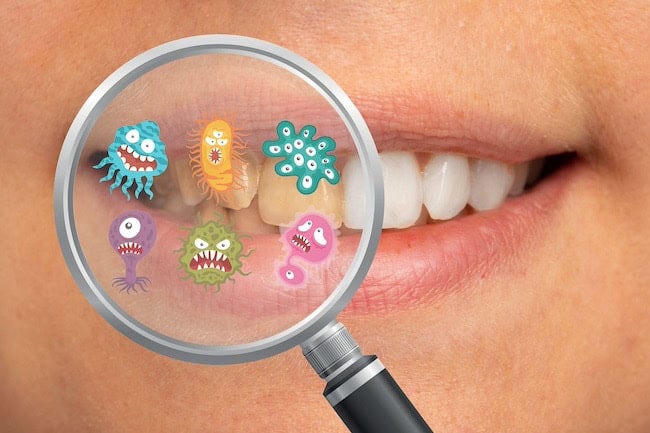
What your tooth can do, that no implant can
An implant is a very good solution today, precisely manufactured, durable, and functional. We fit them ourselves. But there is a difference that cannot be argued away.
Between your tooth root and the jawbone sits a network of fibers, the periodontal ligament. It's thin, barely visible on an X-ray, yet crucial: it tells the bone how much pressure is currently being applied to the tooth. It's the reason you automatically ease up when chewing if something is too hard. An implant does not have this sensitivity.
That doesn't mean implants are bad. It means your own tooth has something that can't be replicated. If we can save it, we will.
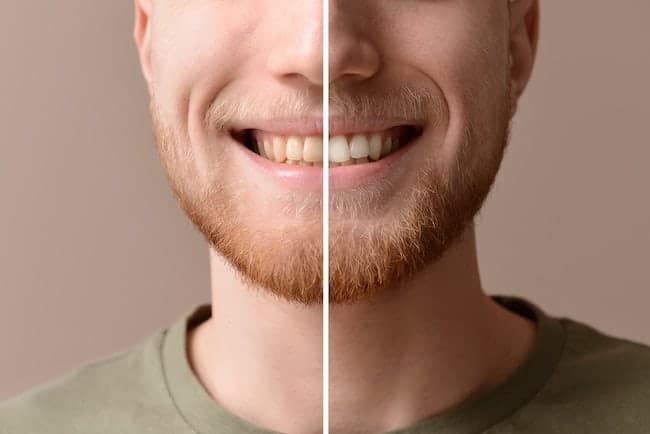
Who our practice is the right place for
If you're looking for a dentist in Kiel who isn't primarily focused on quick fixes, then we'll probably be a good fit.
Patients come to us who have been referred by other dental specialists in Kiel for further treatment, or patients who want a second opinion.
And of course, patients looking for a reliable dentist in Kiel who offers a holistic and modern spectrum of dentistry.
If you would like an appointment: Please call us. We'll take the time to find the best solution for you together.
Telephone: 0431 5568 2326
Online Appointment [book direct]
Address: Niemannsweg 46, 24105 Kiel
Dentist Kiel
Frequently Asked Questions
What is the difference between tooth preservation and tooth replacement?
Tooth preservation means keeping the natural tooth functional, if necessary with root canal treatment, build-up, filling, or inlay. Tooth replacement (implant, bridge, prosthesis) replaces the tooth when it can no longer be saved. We always explore all preservation options first.
When is a root canal treatment advisable?
When the nerve in the tooth is inflamed or dead, often recognizable by persistent pain, pressure, or swelling. Without treatment, an abscess often develops. With treatment, the tooth is preserved and is usually load-bearing in the long term.
What's better: composite filling or ceramic inlay?
That depends on the extent of the defect. Small to medium-sized damage can be well filled directly with composite, quickly and in one session. For larger defects, a ceramic inlay is more durable and distributes stress on the remaining tooth more evenly. We recommend this on a case-by-case basis, not according to a general rule.
Isn't an implant better than a diseased tooth?
Not automatically. A well-treated, preserved tooth is physiologically superior to an implant because it remains connected to the jawbone via living tissue. An implant is the best solution when the natural tooth can truly no longer be saved.
Which dental practice in Kiel specializes in conservative dentistry?
Our practice "Mein Wurzelwerk" in Kiel focuses on tooth preservation and endodontics, hence the name. We treat complex root canal cases, intricate tooth restorations, and aesthetic fillings, always with the goal of preserving natural teeth for as long as possible.
As a new patient in Kiel, how do I get an appointment?
Simply call (0431 5568 2326), book online, or send a short message. We'll get back to you quickly and find a suitable appointment.
Authored by: Dr. David Christofzik, Dentist
Dentist's Office Mein Wurzelwerk, Niemannsweg 46, 24105 Kiel
Last updated: March 2026