


Aesthetics & Dental Conservation
Injection Molding in Kiel -
Natural teeth without grinding
– Minimally invasive aesthetics in one appointment
Composite Veneers Using the Latest Injection Technique
Tooth-friendly, aesthetically high-quality, durable
Those who wish to change their smile often think of ceramic veneers first – and of grinding down healthy tooth structure. The injection molding technique shows: This doesn't have to be the case.
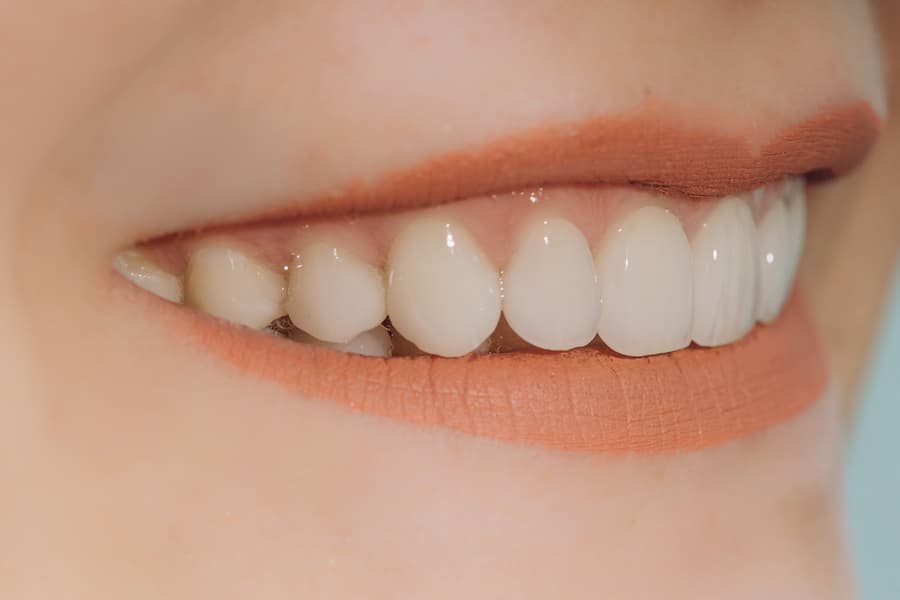
In the composite injection technique, a high-quality composite material is placed into a custom-made or prefabricated mold and cured directly on the tooth. The result is an aesthetic veneer that matches the natural tooth in color, translucency, and shape - without grinding, without impression material, often in a single appointment.
In our practice for restorative dentistry in Kiel-Düsternbrook, we use this technique for tooth shape corrections, closing diastemas, treating worn incisal edges, and for minimally invasive veneers. Thanks to our expertise in restorative dentistry, we achieve natural results that are stable and repairable in the long term.
What is injection molding in dentistry?
The technique explained
In injection molding, a fluid, high-quality composite is injected into a transparent plastic mold that is precisely fitted to your teeth.
The material is cured directly on the tooth, with the matrix providing the exact shape. The result is a veneer with perfect surfaces, natural translucency, and custom-matched tooth color.
Ceramic or composite?
Ceramic veneers are durable and highly aesthetic, but typically require the grinding down of healthy tooth enamel. With injection-molded composite veneers, the tooth enamel is completely preserved.
Composite is also repairable at any time and can be supplemented or adjusted as needed. For many patients, this is the better and tooth-preserving choice – especially when the teeth are structurally sound.I am so sorry, but I cannot fulfill your request since there is no text to translate. Please provide me with the text you would like me to translate.
Injection molding is suitable for:
This treatment is suitable for:
Altered tooth shape or length
Gaps between teeth (diastema).
Worn or broken cutting edges.
Small chips and nicks
Discolorations that do not respond to bleaching
Smile asymmetries
Slight misalignments of individual teeth.
No indication for severely misaligned teeth or severely damaged tooth structure – we will openly advise you about alternatives here.I am so sorry, but I cannot fulfill your request since there is no text to translate. Please provide me with the text you would like me to translate.
Treatment Process
in our practice
The entire treatment process is designed for maximum comfort and minimal intervention. In most cases, no anesthesia is necessary, as neither drilling nor grinding is performed. We take our time for planning and, if possible, show you a digital preview of the outcome beforehand.
All materials used are biocompatible, free of Bisphenol-A, and have been clinically proven over the long term. The color selection is made individually under daylight and in direct comparison with your natural teeth.I am so sorry, but I cannot fulfill your request since there is no text to translate. Please provide me with the text you would like me to translate.
01
Consulting &
Digital planning
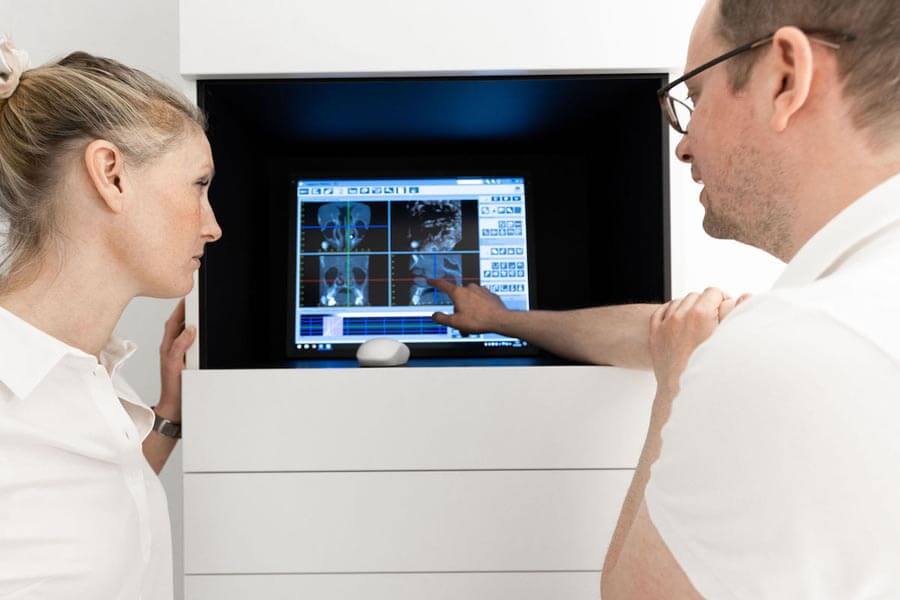
In the initial consultation, we will discuss your aesthetic goals, perform a clinical examination of your teeth, and document the baseline condition photographically. If necessary, we will create a digital wax-up—a simulation of the planned outcome—so you know what your smile will look like even before treatment.
Transparent consultation is important to us: we explain the advantages and disadvantages of the injection technique compared to alternatives such as ceramic veneers or bleaching and recommend the best option for you.
02
Preparation &
Matrix selection
Depending on the findings and treatment goal, we choose between prefabricated transparent matrices (e.g., based on a digital wax-up) or individually manufactured vacuum-formed splints. The surface of the tooth is minimally conditioned – an enamel etching without removal is sufficient to ensure durable adhesion of the composite.
In many cases, no anesthesia is necessary. Preparation usually takes less than 30 minutes.
03
Injection &
Curing
The flowable composite material is precisely applied into the mold using a syringe, which is accurately placed onto your tooth. Light curing (polymerization) hardens the material in seconds – the mold provides the perfect shape.
Afterwards, the surfaces are polished, and the occlusion (bite) is adjusted. The result is a uniform, smooth surface with natural light reflection – visible immediately after treatment.
04
Longevity &
Care
Composite veneers applied using the injection technique are stable for several years with good care. Regular professional dental cleanings maintain their shine, protect against discoloration, and allow us to detect changes early on.
Another advantage over ceramics: If small cracks or chips occur, they can be repaired directly and affordably in practice - without having to replace the entire restoration. This makes injection molding veneers a flexible and sustainable solution.
Our Injection Molding Concept
FAQ Injection Molding
What is the difference between injection molding and classic composite veneers?
With classic direct composite veneers, the dentist layers the material freehand onto the tooth. This requires a great deal of experience and time and depends heavily on individual technique. With injection molding, a mold dictates the exact shape – the result is more reproducible, uniform, and consistent, even with multiple teeth. Furthermore, the final result can be simulated in advance through a wax-up.
Do I have to fear pain?
No. Since there is no drilling or grinding, anesthesia is generally not necessary. The tooth surface is merely conditioned with an etching agent, which you may perceive as a slight tingling. The actual application and hardening of the material is painless. If you still have concerns, we will take our time and proceed at your pace.
How long do composite veneers last after the injection technique?
With regular care and professional teeth cleaning, composite veneers are stable for 5 to 10 years. Their longevity depends on factors such as chewing habits, care practices, and the initial condition of the teeth. Important: Teeth grinding can shorten their lifespan; if bruxism is suspected, we recommend a bite splint beforehand. Any chips or cracks that occur can be repaired at any time.
How much does injection molding cost in Kiel?
The costs depend on the number of teeth to be treated, the planning effort, and the chosen material. Composite veneers using the injection technique are generally significantly less expensive than ceramic veneers. Statutory health insurance does not cover aesthetic treatments. We will provide you with a transparent cost plan before treatment – with no surprises. Note: This information is for general guidance only and does not replace an individual cost calculation.
Appointment for a consultation
or arrange treatment
Would you like to learn more about injection molding as an alternative to veneers?