

Traumatology
Dental Traumatology Kiel - Professional Treatment for Dental Injuries
– Dr. David Christozik - Specialist in Traumatology & Endodontics
Dental Trauma: Expertise for Emergencies
Specialist in dental trauma with microscopic technique and experience
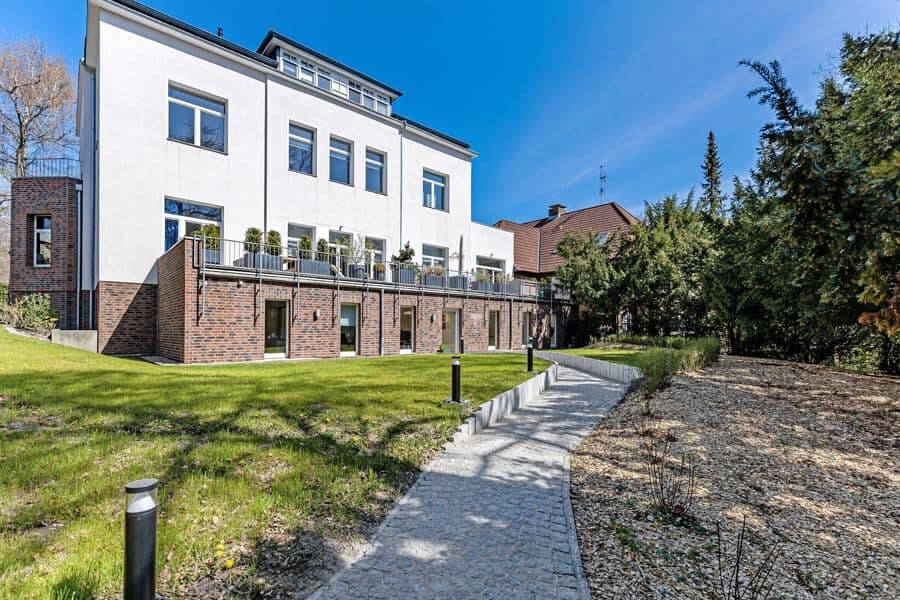
Ein Zahnunfall passiert ohne Vorwarnung: auf dem Fahrrad, beim Sport, beim Spielen. Was in den ersten Minuten danach geschieht, entscheidet oft darüber, ob der Zahn gerettet werden kann oder nicht. In unserer Praxis am Niemannsweg in Kiel-Düsternbrook sind wir auf genau diese Situationen spezialisiert - mit Erfahrung, Mikroskoptechnik und dem Willen, jeden Zahn so lange wie möglich zu erhalten.
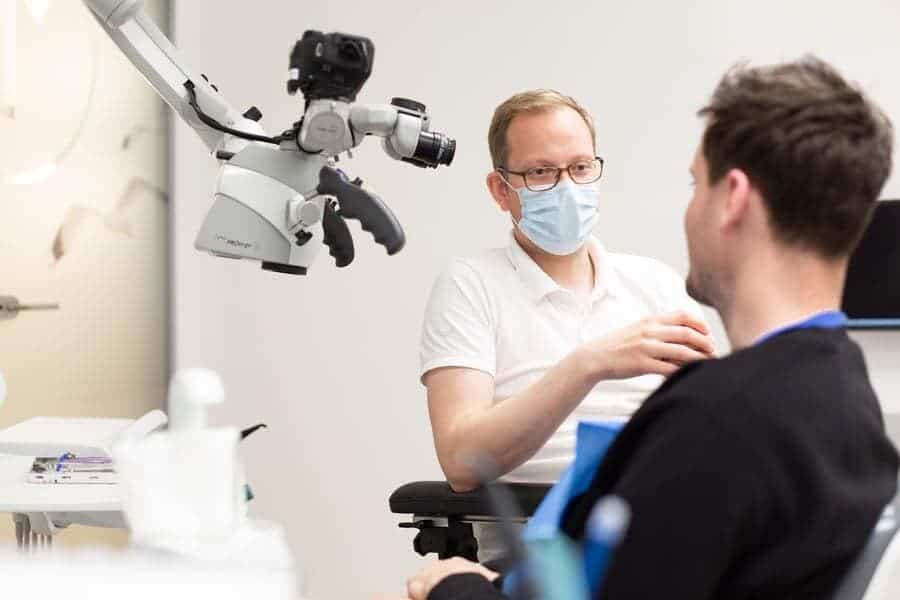
Dr. David Christofzik, a dentist and specialist in restorative dentistry and traumatology, was featured by NDR as an expert on dental injuries. What sets him apart: He gives teeth a chance that have already been given up elsewhere.
Tooth emergency in Kiel? Call now:
0431 5568 2326 - We keep emergency appointments available daily.
Common Dental Injuries and What We Do
Avulsed tooth
Ein vollständig herausgeschlagener Zahn ist der schwerwiegendste Zahnunfall. Wird er innerhalb von 30 Minuten richtig aufbewahrt und reimplantiert, sind die Chancen auf dauerhaften Zahnerhalt gut. Länger außerhalb des Mundes, besonders trocken oder in falscher Lösung - sinkt die Prognose stark.
- Store correctly: Zahn in Zahnrettungsbox, H-Milch oder Kochsalzlösung -
Never in water, never dry, never clean - Schnell anrufen: 0431 5568 2326
- What we do Cleaning, reimplantation, splinting, regular
Kontrolluntersuchungen - mikroskopisch präzise
Broken tooth (crown fracture)
The treatment for a chipped tooth depends on how deep the fracture is. If only the enamel is affected, a composite restoration is often sufficient. If the fracture extends into the dentin or close to the nerve, a capping or root canal treatment may be necessary.
- Pick up the broken piece if possible and bring it along.
- Store tooth cool and moist (no heat)
- Microscopic examination shows the exact extent
Dislodged tooth (Luxation)
In a luxation, the tooth is dislodged from its position by an impact, sideways, inward (intrusion), or outward (extrusion). Depending on the severity, the tooth is repositioned and splinted. The splint remains in place for one to several weeks, depending on the injury.
Root fracture
When a fracture, often invisible to the naked eye, occurs, the angle and position of the fracture determine the prognosis. Through X-rays and microscopic examination
Let's assess whether the tooth can be stabilized with a splint or whether
further action is necessary.
Treatment process
Thanks to specialization in traumatology, many years of experience, and modern technology, we offer a very wide spectrum for the treatment of our patients.
01
Emergency room and
First aid
Pain management, wound care, initial stabilization of the tooth.
02
Diagnostics
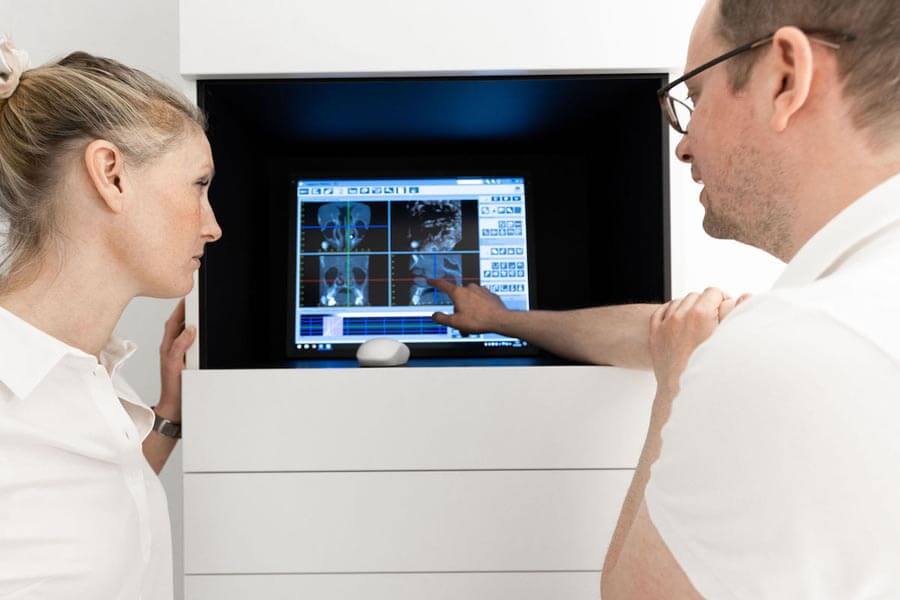
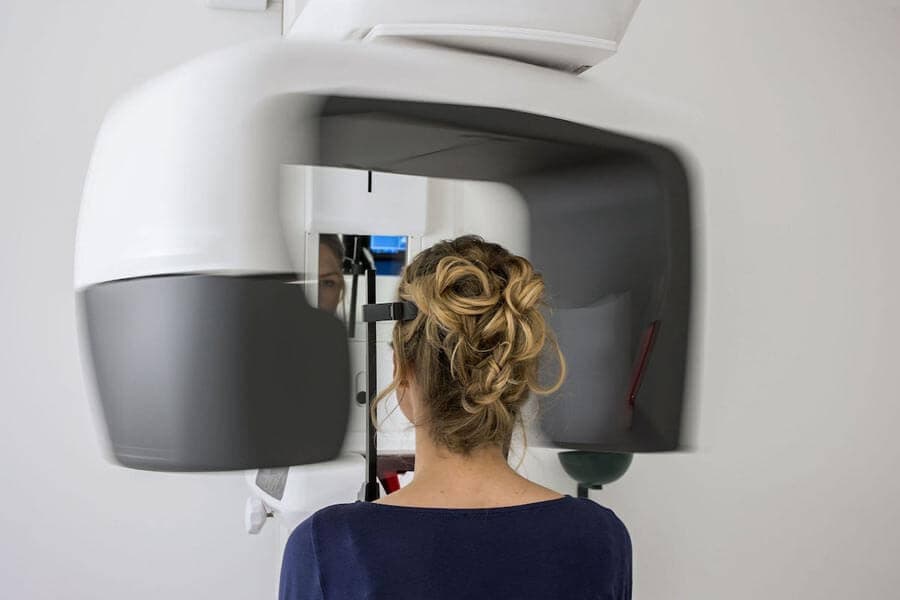
X-ray, clinical examination, microscopic assessment of the injury.
We will explain exactly what we see and what options are available.
03
Treatment
Reimplantation, splinting, capping, or root canal treatment, depending on the findings, always with the goal of tooth preservation.
04
Aftercare
Regular check-ups in the weeks and months following the accident. Dental injuries require long-term monitoring, as loss of vitality can occur months later.
Immediate measures for a dental emergency
Three minutes of proper care can make the difference between saving a tooth and losing it.
mean. Our recommendation for emergencies:
- Stay calm: Panic harms, calm action helps
- Secure tooth properly Tooth rescue box, UHT milk, or physiological saline solution. Never water, disinfectant, or dry storage.
- Nächstmöglich anrufen: 0431 5568 2326 We will inform you about the next steps until you are with us
- Act quickly: With complete tooth loss, every minute counts for tooth preservation: under 30 minutes = good prognosis, over 60 minutes = significantly worse prognosis
Tip: The Tooth rescue box (erhältlich in Apotheken, ca. 15-20 €) gehört in jeden Sportverein, jede Schule und jede Hausapotheke mit Kindern. Sie enthält eine isotone Lösung, in der ein ausgeschlagener Zahn bis zu 24 Stunden
can survive.
Note: In case of serious injuries with unconsciousness, severe bleeding, or suspected jaw fracture, please call emergency services at 112. We treat dental injuries – for severe trauma, the emergency room is the first point of contact.
Frequently Asked Questions about Dental Traumatology
What do I do if I've knocked out a tooth?
Immediately place the tooth in a tooth-saving kit, UHT milk, or saline solution. Never store it in water or dry. Then call immediately: 0431 5568 2326. If re-implantation occurs within 30 minutes, the prognosis is good.
Can a knocked-out tooth really be put back in?
Ja - wenn der Zahn richtig gelagert und schnell genug behandelt wird. Die Erfolgschance ist bei rechtzeitiger Reimplantation in Kombination mit mikroskopischer Nachsorge deutlich höher als ohne Spezialisierung.
What does dental injury treatment cost?
Statutory health insurance covers medically necessary initial treatment. Further procedures (e.g., splinting, composite build-ups, bleaching after traumatic discoloration) may be performed as self-pay services. We will transparently inform you about the costs before each procedure.
Does every dental accident require an X-ray?
In case of suspected root fracture, intrusion, or bone involvement, yes. For purely coronal chips without pain, we decide based on the clinical findings. We only take X-rays if diagnostically necessary.
What should I consider after a dental accident?
Regular check-ups are crucial. Loss of vitality or ankylosis can occur months after the accident. Soft food for the first few days, do not remove the splint yourself, contact your dentist immediately if pain recurs.
Dental Traumatology in Kiel - Schedule an Appointment
In case of acute dental injuries, please call us directly –
We are organizing an immediate appointment:
0431 5568 2326
For planned follow-up appointments or a second opinion after a dental accident
You can also use our online form.