

Dentist Kiel
Dental Hygiene During Pregnancy: What's Safe and What Protects You
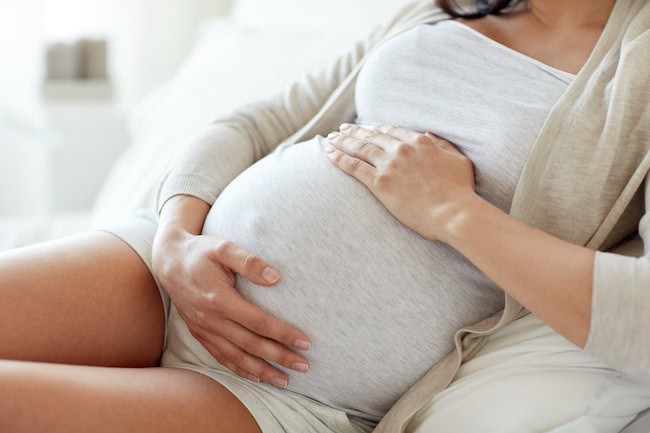
Pregnancy changes your entire body – including your mouth. Hormonal fluctuations make your gums more sensitive, and the risk of gum disease noticeably increases. What many expectant mothers don't know: untreated gum problems can seriously impact a pregnancy. This guide explains why oral hygiene is so important during pregnancy, which dental treatments are safe – and how a professional dental cleaning in Kiel can protect you and your baby.
This guide is for general information only and does not replace an individual dental examination. Always inform us about your pregnancy – we will adjust all measures accordingly.

Why does oral health change during pregnancy?
The main reason behind dental problems during pregnancy is biology: Progesterone and estrogen levels rise significantly – and this changes how your body reacts to bacteria in your mouth.
The most important changes:
- More sensitive gums Even normal amounts of plaque can lead to stronger
- Altered oral flora: Hormonal shifts promote the growth of certain bacteria that cause gum inflammation.
- Nausea and vomiting Stomach acid attacks tooth enamel and increases the risk of cavities.
These changes are normal – but they require more targeted attention to your oral hygiene.

Pregnancy Gingivitis - What You Should Know
Was ist Schwangerschaftsgingivitis
Bis zu 70 % aller schwangeren Frauen entwickeln eine Schwangerschaftsgingivitis. Das Zahnfleisch rötet sich, schwillt an und blutet beim Zähneputzen. Diese Form der Zahnfleischentzündung entsteht nicht durch Nachlässigkeit – sondern durch die hormonell verstärkte Reaktion auf Bakterien.
What are the risks if left untreated?
Untreated gingivitis can develop into periodontitis – a deep gum disease involving bone loss. Scientific studies show links between advanced periodontitis during pregnancy and an increased risk of:
- Premature birth
- Low birth weight
- Pregnancy complications
The good news is that early detection and treatment, ideally before or during the second trimester, can significantly reduce this risk.
Symptoms you should take seriously
See a dentist if you notice the following:
- Gums bleed when brushing teeth or on their own
- Gums are permanently red or swollen
- Bad breath that doesn't improve with brushing
- Loose teeth
What dental treatments are safe during pregnancy?
Safe in all trimesters
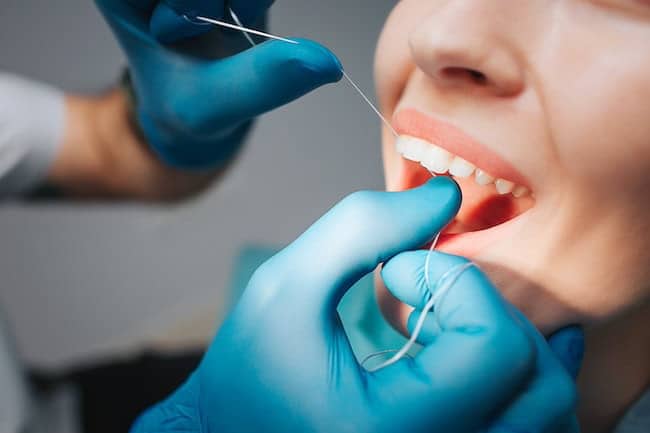
- Professional teeth cleaning (PZR) Completely safe and explicitly recommended – best in the second trimester or early after pregnancy is detected
- Emergency Fillings: If decay causes pain or an infection is imminent, treatment is always safe.
- Gum treatmentGentle periodontal treatment is particularly well possible in the second trimester.
The second trimester: The best time for treatments
The second trimester (weeks 13-26) is considered the optimal treatment window:
- The child's body is largely formed
- The nausea has mostly subsided
- Longer stays in the treatment chair are still comfortably possible
Treatments that we postpone or adjust
- Elective procedures Everything that is not an acute need, we will postpone until after the birth.
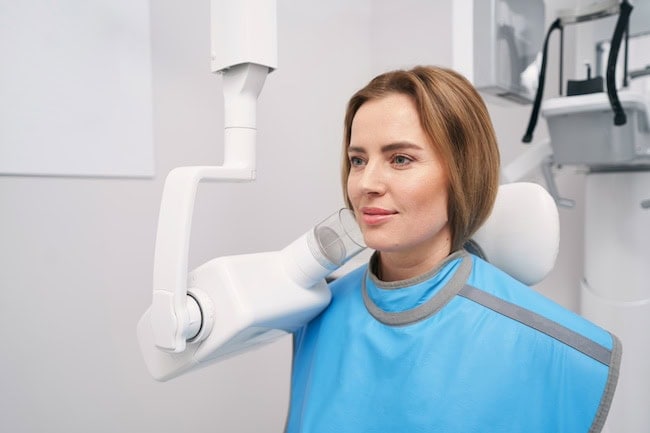
- X-rays Only when medically necessary - always with a lead apron and targeted collimation; the risk to the child with correct execution is minimal
- Certain medications: Some painkillers and antibiotics are not suitable during pregnancy – we coordinate every prescription with your obstetrician.
Anesthesia in pregnancy
Local anesthetics can generally be used safely during pregnancy. It is important that you inform us about your pregnancy so that we can choose the appropriate preparation and the correct dosage. A painful, untreated inflammation is significantly more stressful for mother and child than a correctly administered local anesthetic.
Tips for Daily Oral Hygiene During Pregnancy
Brushing and flossing
- Brush at least twice a day with a soft toothbrush and fluoride toothpaste
- Floss daily - especially if your gums are sensitive, proceed gently
- For nausea, the following helps: neutral-tasting toothpaste, alcohol-free mouthwash, smaller head movements when brushing.
After nausea and vomiting
- Rinse immediately with water - neutralize stomach acid
- Wait at least 30 minutes before brushing your teeth – brushing directly after contact with acid damages enamel
- Apply fluoride rinse or high-fluoride toothpaste after waiting
Nutrition for healthy teeth
Especially valuable for teeth and gums:
| Nutrient | Effect | Sources |
|---|---|---|
| Calcium | Strengthened tooth enamel and bones | Dairy, sesame, broccoli |
| Vitamin D | Promotes calcium absorption | Fatty fish, eggs, sunlight |
| Vitamin C | Strengthens gums | Paprika, citrus fruits, parsley |
| Phosphate | Remineralization | Meat, fish, legumes |
Especially valuable for teeth and gums:
Reduce sugary snacks and acidic drinks—especially if you're a frequent eater of small meals.
If you are unsure or haven't had a dental cleaning in a while, please feel free to call us or book an appointment conveniently online. We will take time for a brief preliminary discussion so you know exactly what to expect.
Telephone: 0431 5568 2326
Online Appointment info@meinwurzelwerk.de
Root system Kiel
Frequently Asked Questions About Dental Health During Pregnancy

Can I go to the dentist during pregnancy?
Yes, and you absolutely should. Regular check-ups and at least one professional dental cleaning during pregnancy are highly recommended. Inform your dentist that you are pregnant so they can adjust all measures accordingly.
The best time to visit the dentist during pregnancy is during the second trimester.
The second trimester (weeks 13-26) is ideal for treatments. In the first trimester, we recommend at least one check-up for early detection of inflammation.
Does pregnancy make teeth weaker?
No, that's a widespread myth. The body does not draw calcium from your teeth for the baby. What changes is the gum's reaction to bacteria. With good oral hygiene and dental care, your teeth will remain healthy.
Is dental X-rays dangerous during pregnancy?
With strict indication and protective gear, the radiation exposure for the child is extremely low. Nevertheless, we only perform X-rays during pregnancy when medically necessary.
What to do for pregnancy gingivitis?
Intensify your home oral hygiene and schedule a professional dental cleaning as soon as possible. In many cases, symptoms significantly improve afterward. For more severe complaints, we will discuss further treatment options.
Can gum disease cause premature birth?
Studies show an association between untreated periodontitis and an increased risk of preterm birth. A clear causal relationship has not yet been conclusively proven scientifically - however, the risk of an untreated inflammation is greater than the risk of professionally performed treatment.
For further questions or individual concerns, we are happy to advise you personally.
Our Conclusion
Neglecting oral health during pregnancy is not a minor oversight – it can have noticeable consequences. At the same time, the necessary measures are simple: consistent daily oral hygiene, at least one professional dental cleaning, and an open conversation with us about your pregnancy.
We support expectant mothers in our practice in Kiel with a steady hand and individually tailored treatment – safe for you and your baby.

Resources
- Federal Association of Statutory Health Insurance Dentists (KZBV): Oral Health During Pregnancy
- German Society of Dental, Oral, and Maxillofacial Medicine (DGZMK): Guideline Periodontitis and Pregnancy
- Federal Centre for Health Education (BZgA): Healthy Teeth During Pregnancy