

Dentist Kiel
Is there pain during professional teeth cleaning?
"Does this hurt?" - that's the question we hear most often before we start a professional teeth cleaning. Sometimes it's asked directly, other times we can tell by someone shrugging their shoulders as soon as we pick up the ultrasound device.
The honest answer: In the vast majority of cases, dental cleaning is not painful. But there are situations where it can become uncomfortable – and these can usually be managed well if you know about them.

When can dental cleaning be uncomfortable?
In a healthy mouth, little is usually felt during professional dental cleaning. The tooth neck is covered by the gums, tooth structure itself has no pain receptors, and an Airflow device with fine glycine powder feels like a gentle stream of water.
It looks different when:
Gums are inflamed or receding. This exposes areas that are normally not touched. Inflamed gums react more sensitively to touch and temperature changes – even lukewarm water. This isn't a sign that something is being done wrong. It's a sign that the tooth needs attention.
There is a lot of tartar.Heavy deposits require more pressure to remove. Especially in areas where tartar attaches directly to the gumline, this can be briefly uncomfortable. This cannot always be completely avoided, but it can be significantly minimized.
There is a general sensitivity to pain. Some people are more sensitive to vibration, pressure, or cold than others. This often has nothing to do with the condition of their teeth, but rather with individual perception.
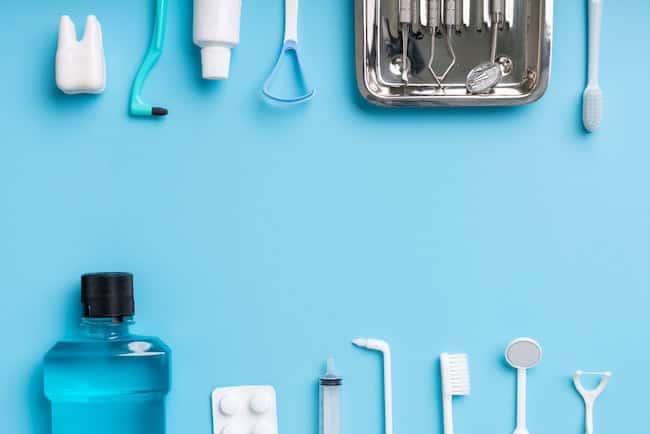
What we do specifically in our practice
Before each teeth cleaning, we briefly ask: Are there any sensitive spots? Was the last professional teeth cleaning uncomfortable? This takes two minutes and makes a big difference.
Depending on what we learn during the process or what we see when we first look in the mouth, we adjust the treatment:
- For exposed tooth roots: local anesthetic gel on the affected areas, sometimes a short injection if sensitivity is high
- For inflammation: we begin particularly carefully, often with the Airflow device (glycine powder, minimally abrasive) instead of immediately with ultrasound
- In case of high general sensitivity: we reduce the pressure, take short breaks more often, and talk through the treatment
- For tartar: we remove it gradually, not all at once with maximum pressure
We also ask during the treatment - not just at the beginning. If something isn't comfortable, just say so: raise your hand, give a short signal - we'll stop immediately and adjust.
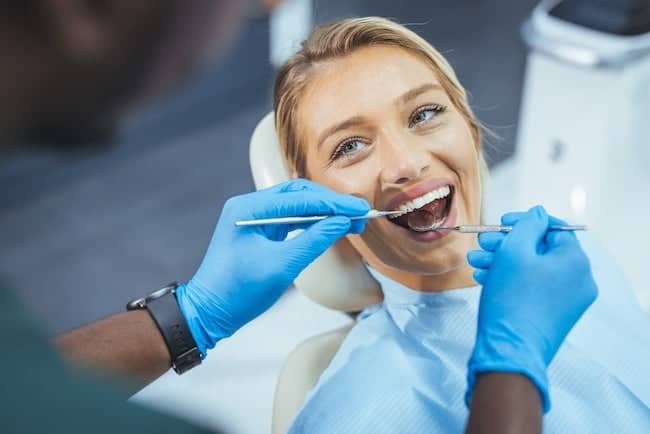
What is normal after a dental cleaning
Immediately after a professional teeth cleaning, teeth may be more sensitive than usual for a few hours – to cold, heat, or acidic foods. This is normal and no cause for concern. The tooth surfaces have been cleaned and polished; during this time, they are slightly more sensitive.
If the sensitivity doesn't clearly improve after one to two days, please contact us briefly. This is rare, but there are exceptions – for example, if an existing hypersensitivity became more visible due to the treatment.
Warm teas, no very cold drinks, and a soft toothbrush for the first 24 hours will help.
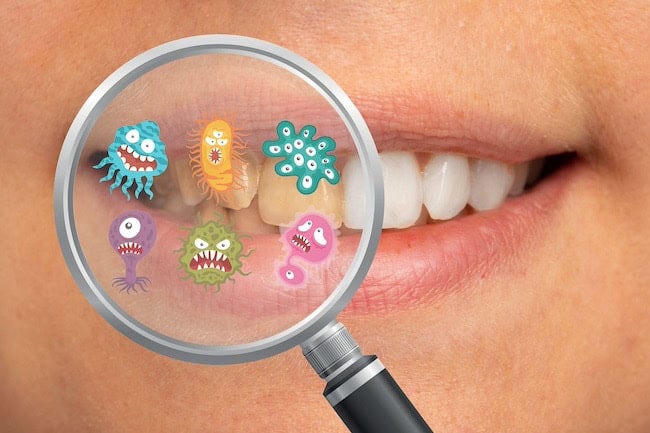
What you can prepare yourself
Anyone who knows they have sensitive teeth can use toothpaste for sensitive teeth a week before their appointment – this builds up a small protective film.
More importantly: come regularly. This may sound paradoxical, but patients who come for professional teeth cleaning every six months generally have significantly fewer complaints than those who come infrequently. When there's less tartar, less intensive work is needed – and you can feel that.
And: Just let us know briefly if you're nervous or have had bad experiences in the past. We're used to it, and it helps us tailor the treatment accordingly.
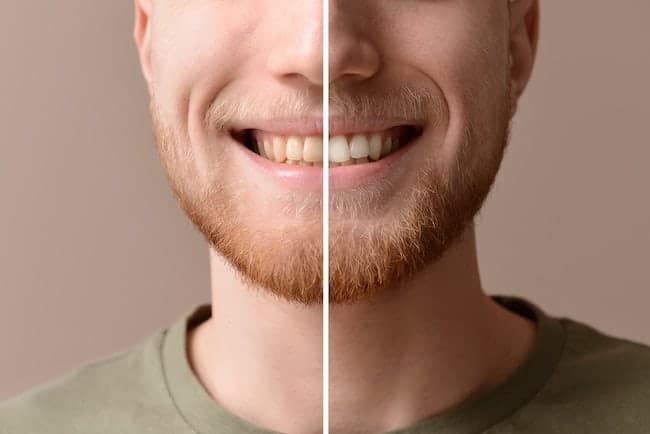
If you're unsure or it's been a while since your last dental cleaning: simply give us a call or book an appointment online. We'll take the time for a brief consultation - so you know what to expect.
Telephone: 0431 5568 2326
Online Appointment info@meinwurzelwerk.de
Root system Kiel
Frequently Asked Questions (FAQ)

Dentist Kiel
Frequently Asked Questions About Professional Teeth Cleaning
Does a professional dental cleaning hurt?
In most cases, no. Short, light sensations are possible, especially with inflamed or receded gums. Modern methods like Airflow and targeted anesthesia can manage this well.
What helps with very sensitive teeth during teeth cleaning?
Numbing gel in sensitive areas, gentler instruments like the Airflow device with glycine powder, and open communication before treatment. For very high sensitivity, local anesthesia can be administered.
Is pain after a dental cleaning normal?
Slight sensitivity to cold for a few hours after PCR testing is normal. If the sensitivity lasts longer than two days, you should contact the practice.
How often should one go for a professional dental cleaning?
For most patients, twice a year. If you have a tendency towards gum inflammation or have implants, three appointments per year are recommended.
Is a dental cleaning useful if the gums are inflamed?
Yes, especially then. Gingivitis is often caused by bacterial plaque, which can only be removed professionally. Early professional teeth cleaning prevents the inflammation from spreading.
For further questions or individual concerns, we are happy to advise you personally.
Resources
Do you have questions, would you like advice, or would you like to schedule an appointment? Simply contact us by phone, online, or in person – we are happy to be there for you. Your dental health and well-being are our top priorities.
Our promise to you:
• Individualized counseling and modern treatment
• Current expertise and latest technology
A warm, dedicated practice team
We look forward to welcoming you in person to our dental practice in Kiel soon. Your smile is in good hands with us!